We are often told that success is a direct result of relentless, non-stop grind. “Work harder, sleep less” has become a mantra, but it’s a dangerous one. There is an old story that perfectly illustrates why this mindset is flawed.
The Competition
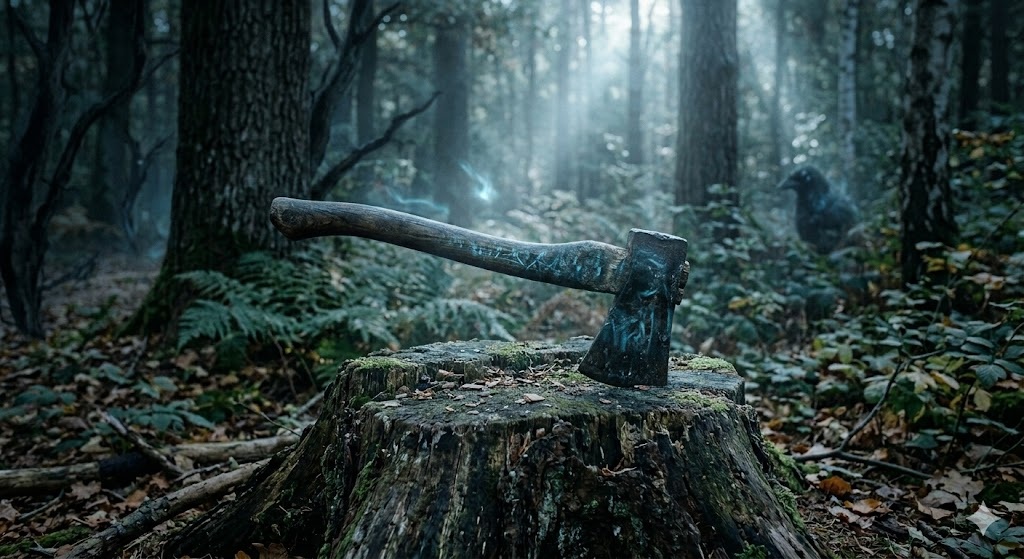
Two men decided to challenge each other to a competition: who could chop more wood in a single day. They went to different parts of the forest and began their work at dawn.
The first man was a powerhouse. He worked without a single pause, barely stopping to breathe or wipe the sweat from his forehead. Every now and then, he would notice that the sound of his rival’s axe from the other side of the forest had stopped. “My opponent is giving up!” he thought with a grin. “He’s taking breaks while I’m pushing through. This victory is mine.”
The Result
At sunset, the two met to compare their results. The first woodcutter was completely exhausted, barely able to stand. He proudly pointed to his pile of wood, but when he looked at his rival’s work, he was stunned. The second woodcutter, who looked remarkably fresh, had cut nearly twice as much wood.
“How is this possible?” the exhausted man cried. “I heard you stop every hour! I worked through the pain without a second of rest while you were slacking off. How did you do it?”
The second man looked at his axe and replied calmly: “It’s simple. Every time I stopped, I wasn’t just resting. I was sharpening my axe.”
Key Takeaways for Professionals
This story isn’t about logging; it’s about how we manage our most valuable resources. Here are three lessons we can apply today:
- Efficiency vs. Busyness. Being busy for 10 hours a day doesn’t equal being productive. If your “tool” (your mind, your skills, or your software) is blunt, you are wasting 80% of your energy just fighting resistance rather than making progress.
- The Power of “Refactoring”. In engineering and creative work, this is a constant truth. If you don’t stop to clean up your code, update your tech stack, or sharpen your skills, you accumulate “technical debt.” Eventually, the simplest tasks become impossible.
- Investing in the Pause. Resting, learning, and upgrading your tools are not “wasted time.” They are strategic investments that allow you to work faster and cleaner.
Final thought: Next time you feel like you’re struggling to make progress, ask yourself: “Am I really working hard, or have I just forgotten to sharpen my axe?”